The R-EU-CYCLE project, part of the Interreg VI community initiative, aims to support SMEs in the agri-food sector with innovation in packaging, which is crucial for competitiveness, food preservation, and logistics.
The European Packaging and Packaging Waste Regulation (PPWR), which came into force at the beginning of 2025, marks a major turning point for the agri-food industry. By 2030, all packaging placed on the European market must be designed to be recyclable, while incorporating reduction, reuse, and recycled content targets. This regulation, which automatically applies to all EU member states, promotes a comprehensive approach in which environmental performance becomes an essential criterion in packaging design.
In concrete terms, the PPWR redefines how manufacturers must design, produce, and market their packaging. The technical criteria for recyclability, set by the European Commission through a series of delegated acts, will now determine the regulatory compliance of products. Companies will therefore have to adapt their materials, processes, and sometimes even their packaging lines to ensure that their packaging meets these new requirements.
For players in the agri-food sector, this change is akin to a silent revolution. Behind every tray, film, or bottle now lies a complex equation: ensuring food safety and product preservation while meeting strict criteria for recyclability and circularity. This new balance between technical requirements and environmental responsibility is radically changing the way packaging is designed.
The R-EU-CYCLE project brings together various partners, including competitiveness clusters, support structures for the agri-food industry, a consortium of companies dedicated to innovation in packaging, and research centers in the various cross-border areas defined by the Interreg VI F-W-V program in Wallonia, Flanders, and France to support companies, particularly SMEs, in their transition to new packaging that complies with this European legislation.
The five project partners and their associated partners, key players in the recycling and agri-food sector, will work together with players in the plastic food packaging recycling value chain, packaging manufacturers, users, sorters, and recyclers to develop new concrete solutions, without forgetting the role of the end consumer, whose sorting and purchasing decisions can potentially create a disconnect between the upstream and downstream sides of the recycling value chain.
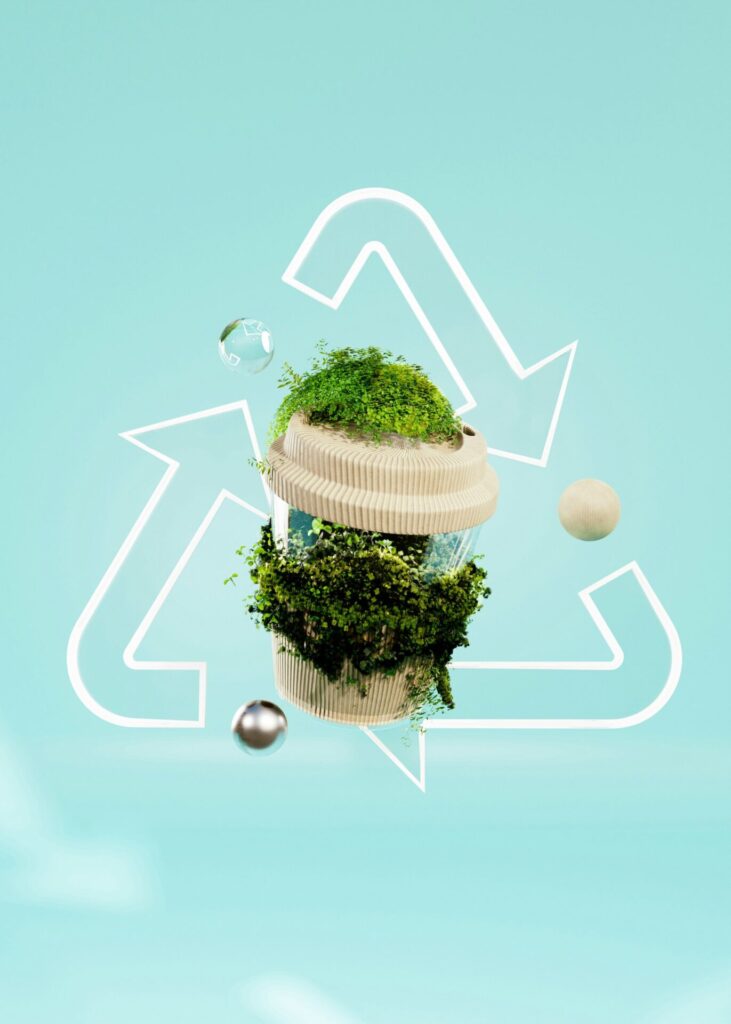
R-EU-CYCLE
Let’s work together to tackle these challenges and develop concrete solutions for a more sustainable future.
Are you an SME in the agri-food sector or involved in sorting and recycling in the cross-border region? Would you like to optimize the recyclability of your plastic packaging and adopt more responsible practices?